A family home can become one of the few places where documents, objects, architecture and memory still overlap. Once the building and its context are gone, recreating that relationship is nearly impossible.
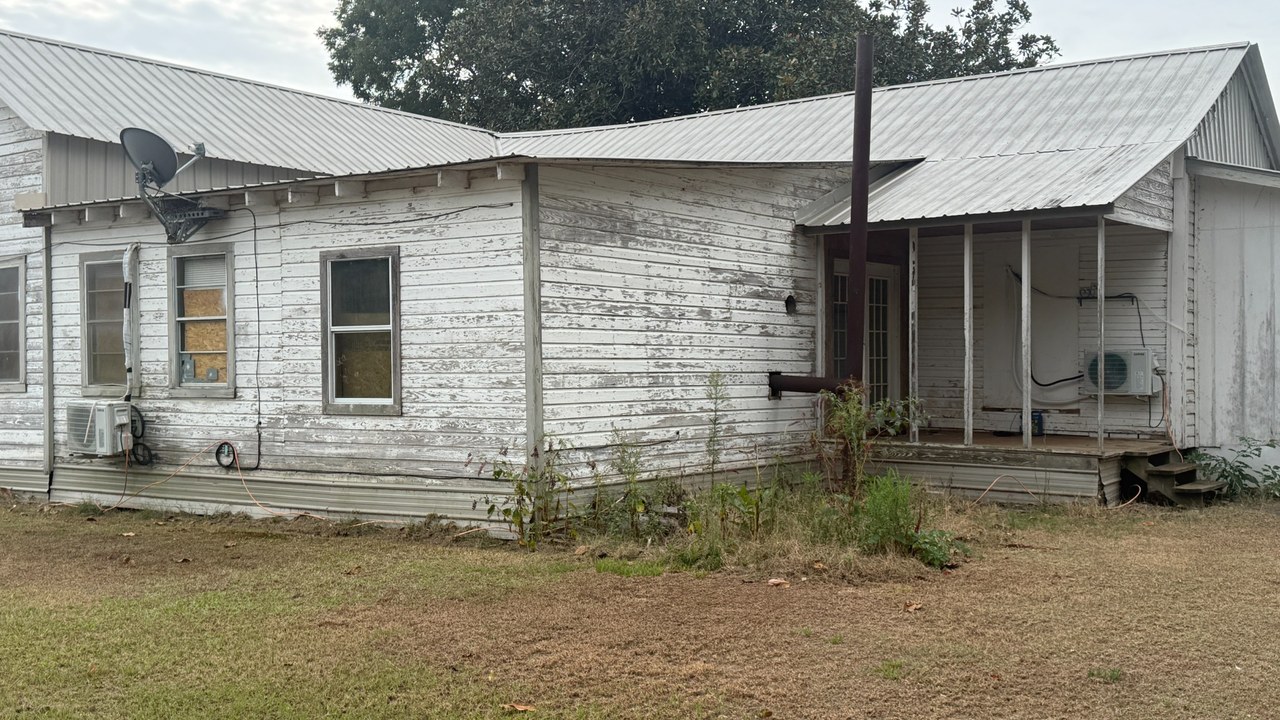
The building is part of the archive
The house contains evidence: construction layers, an indoor well, surviving wood and brickwork, and changes made by generations who continued living there.
Objects make the story tangible
The family collection includes historic photographs and an original Rock Island Plow advertising sign bearing W. J. Whiteman’s name.
Family memory needs verification, not dismissal
The project distinguishes family history from independently documented facts instead of quietly turning every family story into a certainty.
Preservation gives future generations evidence
Preserving the house and archive gives future researchers and descendants something real to examine rather than a paragraph saying a house once stood there.